What Does Trump’s Foreign Policy Mean for the World Cup?
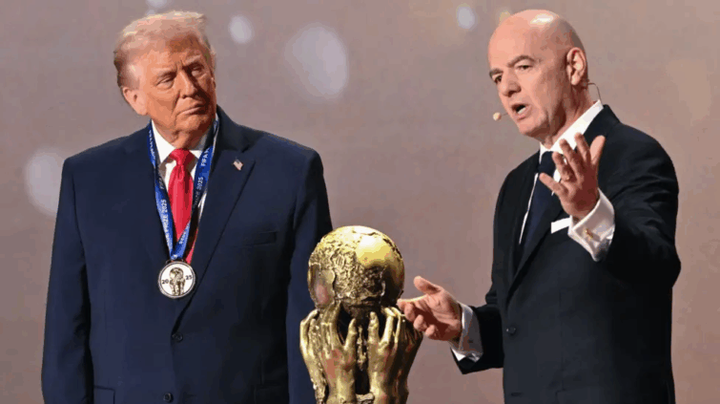
As the United States prepares to co-host the FIFA World Cup alongside Canada and Mexico, questions are emerging about how Donald Trump’s foreign policy approach could shape the world’s biggest sporting event. While football and politics are officially separate, history shows that global tournaments rarely exist in a political vacuum.
Visas, Borders, and Fan Access
One of the most immediate areas of concern is immigration and visa policy. Trump’s previous presidency was marked by stricter travel rules, heightened border enforcement, and tense diplomatic relationships with several countries. A World Cup thrives on the free movement of players, officials, journalists, and millions of fans. Any policy that complicates visa approvals or entry procedures could affect attendance, logistics, and the tournament’s global image.
FIFA typically demands guarantees from host nations that all qualified teams and accredited personnel will be granted entry. If foreign policy decisions appear to conflict with these guarantees, it could put pressure on organizers and require diplomatic exemptions to ensure smooth participation.
Security and Global Perception
Trump’s foreign policy emphasizes national security and military strength. From a tournament perspective, this could translate into heavy security measures at stadiums and fan zones. While safety is critical, an overly rigid environment may affect the festive atmosphere that defines the World Cup experience.
International perception also matters. The World Cup is a global celebration, and how welcoming the host nation appears can influence how fans and teams view the event. Diplomatic tensions or controversial policies may shift media narratives away from football and toward politics.
Economic and Commercial Impact
Foreign policy also affects trade, sponsorships, and tourism. The World Cup is a massive economic engine, relying on global sponsors, broadcasters, and traveling supporters. Trade disputes or geopolitical uncertainty can influence corporate confidence and international investment linked to the tournament.
Football Above Politics?
Despite these concerns, FIFA and host nations have historically found ways to insulate major tournaments from political disruption. Special visa categories, diplomatic agreements, and international pressure often ensure that the game goes ahead as planned.
Ultimately, Trump’s foreign policy could shape the tone and logistics of the World Cup, but it is unlikely to derail it entirely. If managed carefully, the tournament could even serve as a platform for soft diplomacy — reminding the world that football has a unique power to bring nations together, even in politically divided times.


Comments
Post a Comment